






How Sustainable Is Your Workplace Really?
The morning rush.
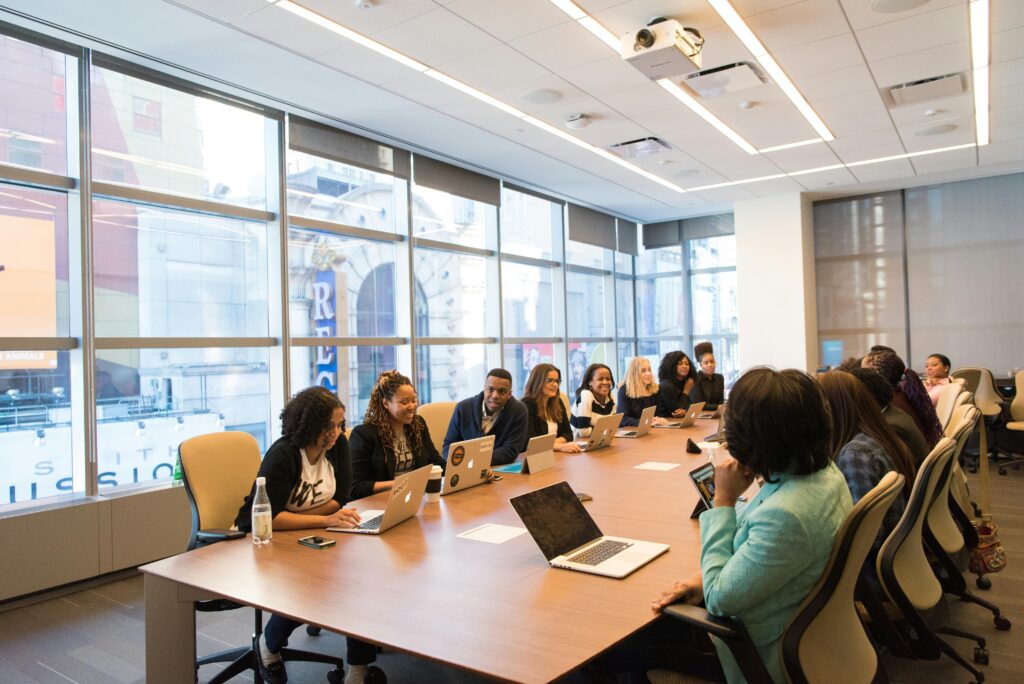
The coffee machine hums. Laptops flicker to life. The air-conditioner sighs to a perfect 22°C.
Another “productive” day begins but how green is this scene, really?
We love to call our offices eco-friendly. There’s a small plant on every desk, someone brought a reusable bottle last week, and the HR email mentioned “Sustainability Week.”
But if you pause for a moment and look closely are we actually living green, or just talking green?
The Coffee Cup Chronicles
Let’s start with something that fuels most of our mornings coffee.
That one warm cup that wakes us up, comforts us during meetings, and sometimes even becomes our excuse for a five minute break.
But here’s the hidden story:
Most office coffee cups especially the “paper” ones are lined with a thin layer of plastic to prevent leakage. That makes them non-recyclable. One single disposable cup can take 20 years to decompose. Multiply that by every employee, every day, every year and suddenly, your caffeine kick becomes an environmental kickback.

Sustainable swap:
- Encourage a “Bring Your Mug” culture.
- Keep a common shelf for reusable mugs in the pantry.
- If your office café serves coffee, make it a reward system 5% off when you bring your own cup.
A small sip for you, a giant leap for the planet.
The Air-Conditioner That Works Overtime
Office comfort often means cool air even when it’s pleasantly warm outside.
But did you know that air-conditioning contributes to nearly 40% of a building’s total electricity use?
Each degree lower on your AC thermostat adds roughly 6% more energy consumption.
That means if your office insists on 20°C in May, your carbon footprint is chillingly high.
Sustainable swaps:
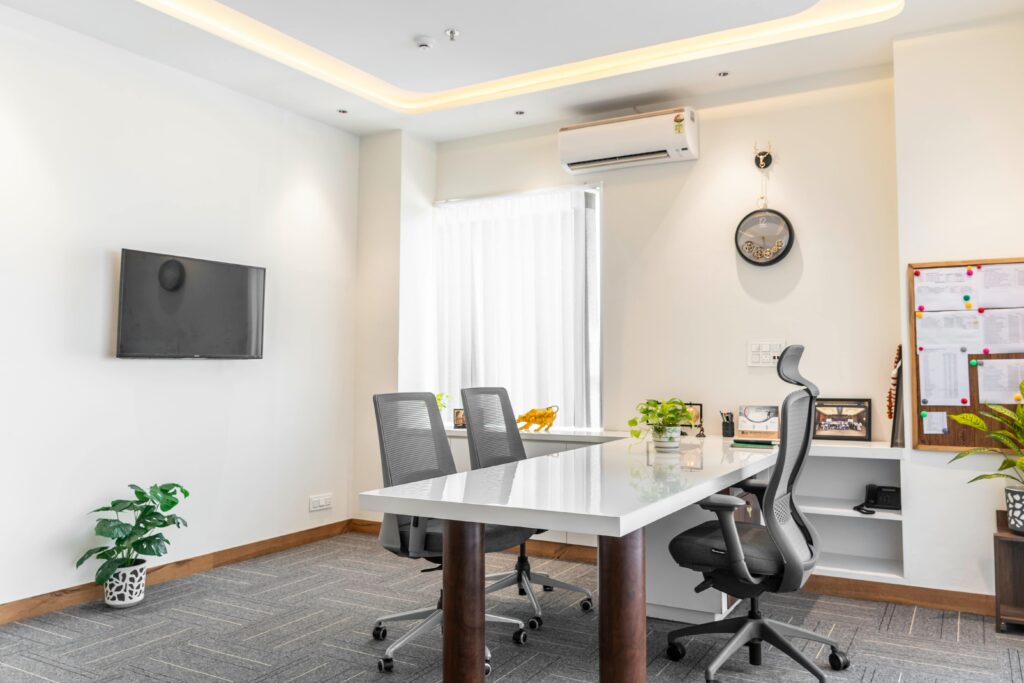
- Maintain AC at 24 – 26°C, as recommended by the Bureau of Energy Efficiency (BEE).
- Clean filters regularly dirty filters reduce efficiency and waste energy.
- Use blinds or curtains to block harsh sunlight instead of overcooling.
- Turn off the AC 30 minutes before leaving the room will stay cool enough.
Let’s face it comfort is important, but not at the cost of the planet’s climate comfort.
3: The Printer That Still Thinks It’s 2005
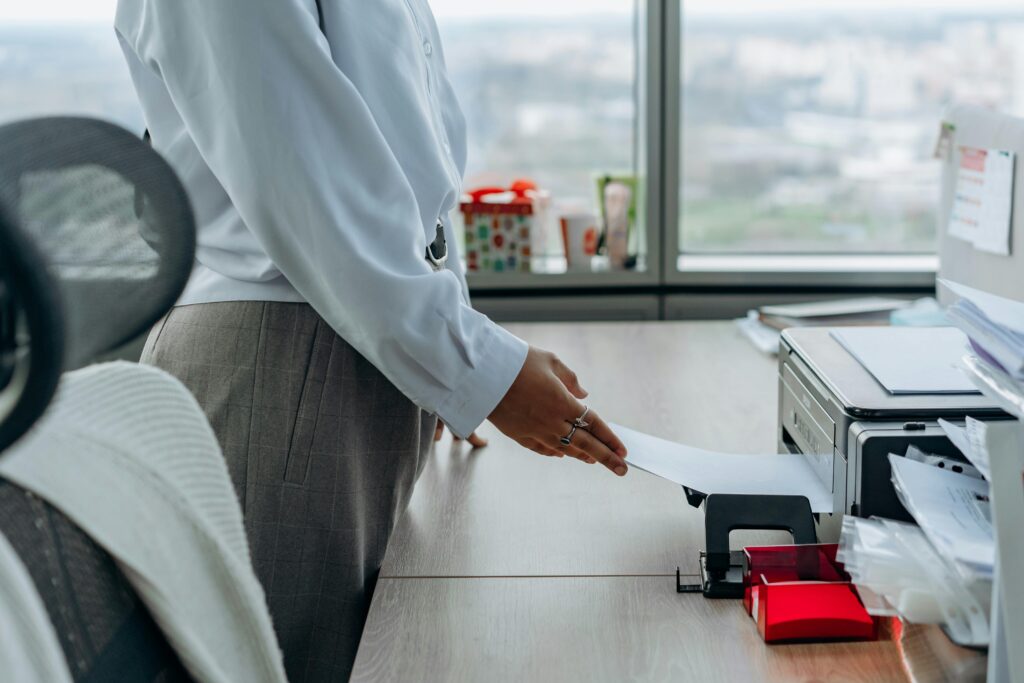
Despite living in the digital age, most offices still print emails, invoices, or reports “just in case.”
Ironically, we call it a “paper trail.” But it’s really a tree trail each A4 sheet representing a slice of nature.
The environmental toll?
Producing one ream of paper (500 sheets) requires 6% of a tree and 10 liters of water.
And let’s not even talk about the ink cartridges plastic, chemicals, and zero recyclability in most cases.
Sustainable swaps:
- Use digital signatures and e-documents.
- Print double sided better yet, question if printing is really necessary.
- Recycle one sided printouts into notepads for drafts.
- Encourage “No Print Fridays.”
Imagine if every office reduced paper usage by just 50% millions of trees would still be standing tall.
4: Lights On, Even in Daylight
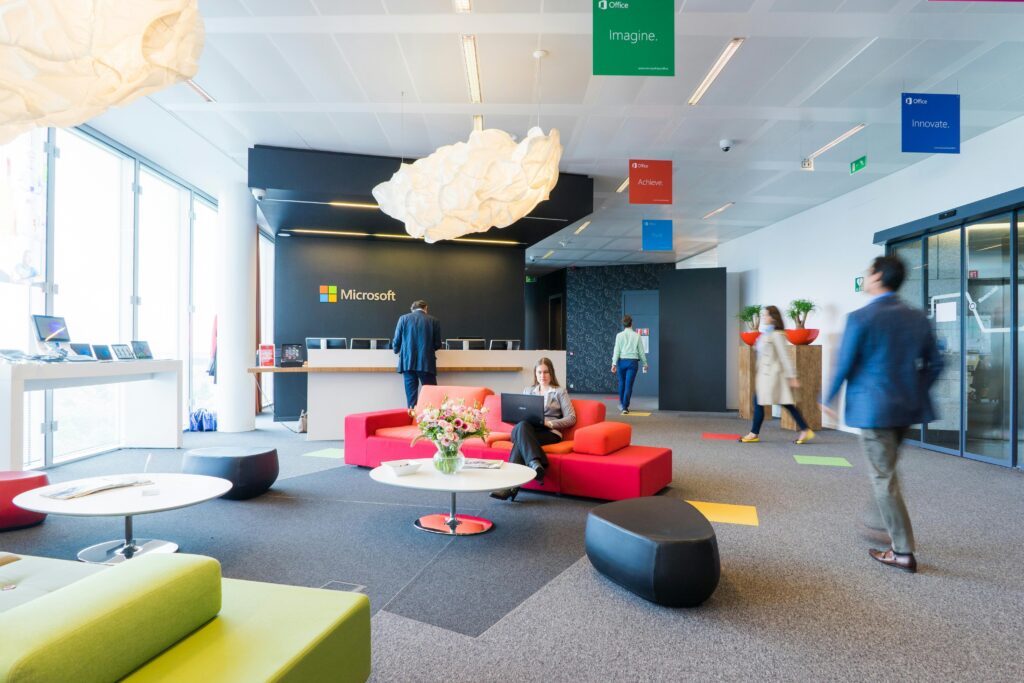
Ever walked through an office where every light is on even when sunlight floods through the windows?
That’s a silent but massive energy leak. Office lighting can account for 15 – 20% of electricity use in commercial buildings.
Sustainable swaps:
- Switch to LED lights they consume up to 75% less energy.
- Install motion sensors in meeting rooms and washrooms.
- Encourage teams to sit near natural light sources.
- Make “Turn off the light when you leave” part of office etiquette not just a poster.
5: The Sleeping Computers That Never Sleep
When was the last time you shut down your computer before going home?
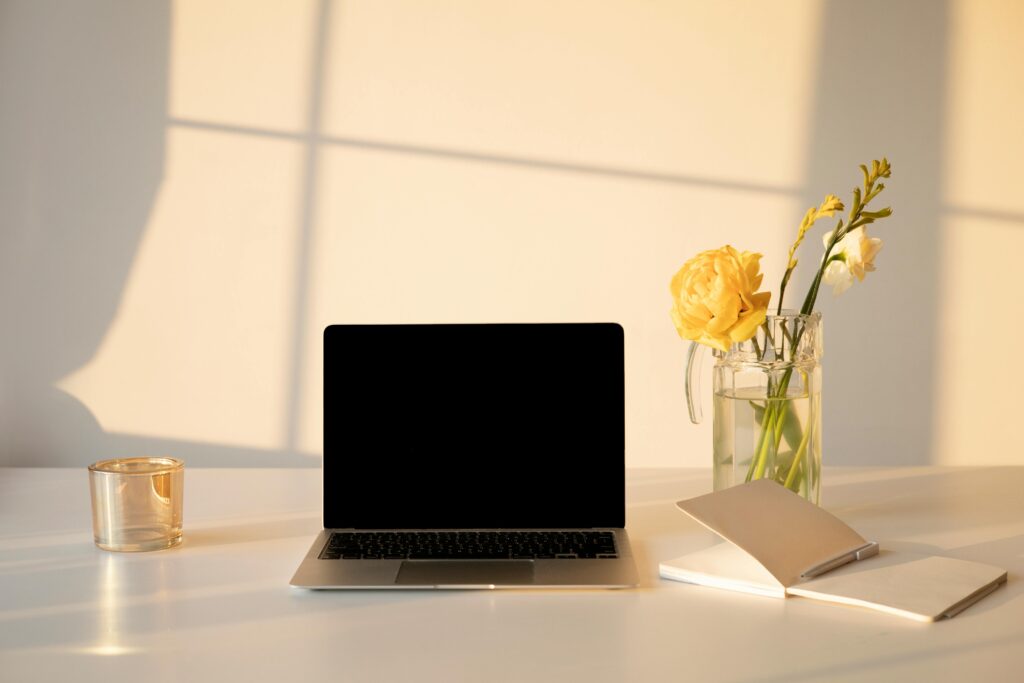
If your answer is “never,” you’re not alone. Many offices leave desktops and screens running 24×7, consuming energy even when not in use.
One computer left on overnight for a year wastes as much energy as it takes to print 10,000 pages.
Sustainable swaps:
- Enable auto sleep after 10 minutes of inactivity.
- Shut down PCs and screens before leaving.
- Encourage the IT team to schedule automatic power-off at night.
- For laptops, use battery-saving modes they extend both power and device life.
Even machines deserve a good night’s sleep.
6: The Invisible Water Waste
We often forget that sustainability isn’t just about energy or plastic it’s also about water.
Leaky taps in office washrooms can waste up to 20 liters per day per tap. That’s enough for one person’s daily drinking water for 10 days.

Sustainable swaps:
- Regularly check for leaks.
- Install aerator taps that reduce flow without compromising use.
- Use greywater (recycled water) for gardening and cleaning.
- Add small awareness signs like: “Every drop counts please close the tap properly.”
Because even a drop can start a wave of change.
7: Plastic, the Office Celebrity
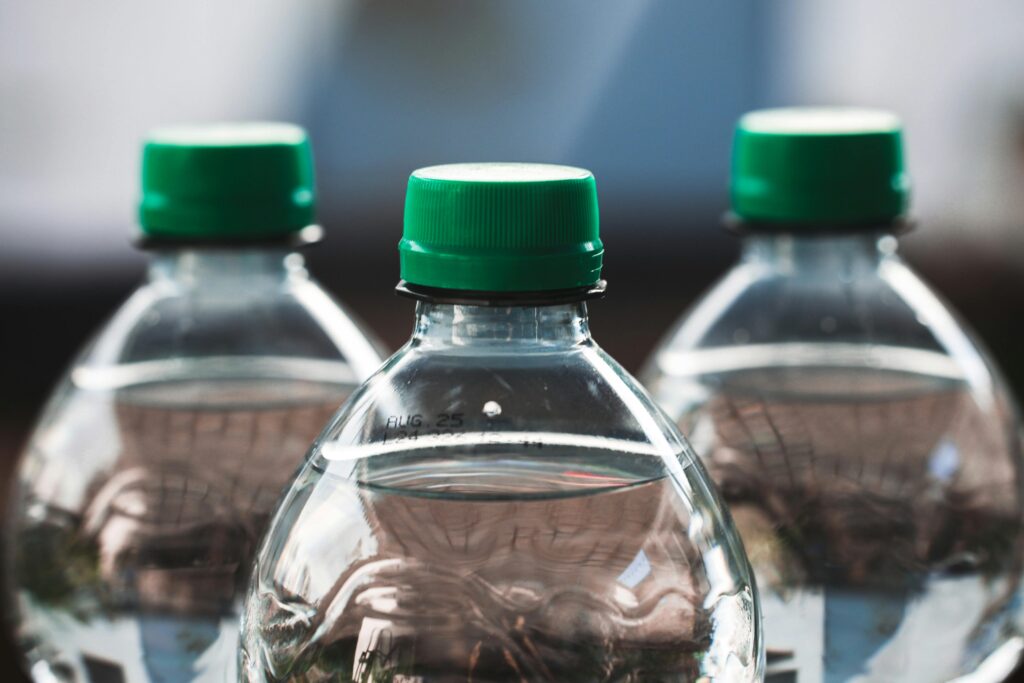
Plastic seems to be everywhere bottled water, food packaging, stationery, even ID card straps.
We see it, we use it, and we throw it away without a thought.
The irony? Offices hold World Environment Day events while serving plastic water bottles on the same day.
Sustainable swaps:
- Ban single-use plastics completely.
- Provide filtered water dispensers and reusable bottles.
- Replace plastic cutlery with steel or bamboo.
- Use cloth or jute bags for office supplies instead of plastic covers.
Change doesn’t happen with slogans. It begins when plastic leaves the room.
8: The Greenwashing Illusion
Many companies now love to call themselves “Green.”
But sustainability isn’t about fancy CSR reports or planting 50 saplings once a year.
True sustainability is daily discipline, not an annual event.
A real green office:
- Reduces waste, not just manages it.
- Tracks energy use.
- Rewards employees for eco-friendly actions.
- Designs spaces with natural ventilation, plants, and sunlight.
- Talks less, does more.
9: Sustainability = Productivity
Here’s something most managers don’t realize:
A green office isn’t just good for the planet it’s great for business.
Studies show:
- Employees working in natural light and better air quality report 15% higher productivity.
- Green-certified buildings have lower energy costs.
- Workplaces with a sustainability culture see better employee morale and retention.
Sustainability isn’t a cost it’s an investment in your people, your brand, and your planet.
10: The Mindset Shift
You don’t need a sustainability officer to make a difference.
You just need awareness and action.
The journey begins with questions like:
- Do we need the AC right now?
- Can I carry my own water bottle?
- Do I really need to print this?
- Can we hold a meeting outdoors for a change?
Because sustainability isn’t about perfection it’s about progress.
💬 A Short Story to Remember
Last year, I visited a small start up in Pune with just 12 employees.
They didn’t have a “sustainability department,” nor a big CSR budget. But they had one simple rule: “Nothing goes to waste.”
They reused delivery boxes for storage. They grew herbs near the window. Their coffee came in mugs, not cups.
Even the CEO public transport to work twice a week.
When I asked why, one employee smiled and said,
“We realized the planet doesn’t need heroes. It just needs responsible humans.”
That day, I understood sustainability isn’t about having everything.
It’s about doing something with what you already have.
🌎 From Talk to Action
So, tomorrow morning, when you step into your office, take a fresh look.
The glowing screens, humming AC, coffee cups, papers everything tells a story.
The question is: what story is your office telling?
Is it one of convenience, waste, and ignorance?
Or one of awareness, responsibility, and real change?
Because the difference between “Green Office” and “Green Talk”
is not in what you say
It’s in what you do, every single day.
Quick Checklist: Is Your Office Really Sustainable?
✅ Air conditioners at 24–26°C
✅ Motion sensor lights in unused areas
✅ No single-use plastic anywhere
✅ “Bring your mug” coffee policy
✅ One-sided prints reused for notes
✅ Employees encouraged to cycle or carpool
✅ Indoor plants for air purification
✅ Water leak audits every month
✅ Regular energy use tracking
✅ Sustainability team or green volunteers
If you check even half of these you’re already part of the change.
If not, start today. The planet’s clock is ticking, and it’s time your workplace started listening.
The greenest offices aren’t built with glass walls or solar panels, they’re built with mindful people.
So before you call your office “sustainable,” make sure your habits truly are.


A really good blog and me back again.