



Highlights
- India generates millions of tons of municipal solid waste each year; only a portion is collected and even less is treated scientifically. EAC-PM
- The informal sector (waste pickers / kabadiwallas) recovers a large share of recyclables and is essential to the system. WIEGO
- Plastic Waste Management Rules and Extended Producer Responsibility (EPR) are central legal tools shaping recycling. environment.delhi.gov.in+1
- Recycling markets and equipment demand are growing — the recycling sector is a rising business opportunity in India (but needs system improvements). Mordor Intelligence+1
Table of Contents
1. What is recycling — simple definition
Recycling is the process of converting waste materials into new, usable products. It reduces the need for virgin resources (like timber, minerals and fossil-fuel–derived plastics), lowers greenhouse gas emissions compared to producing from raw materials, conserves landfill space, and creates economic value from materials that would otherwise be discarded.
2. Why recycling matters for India
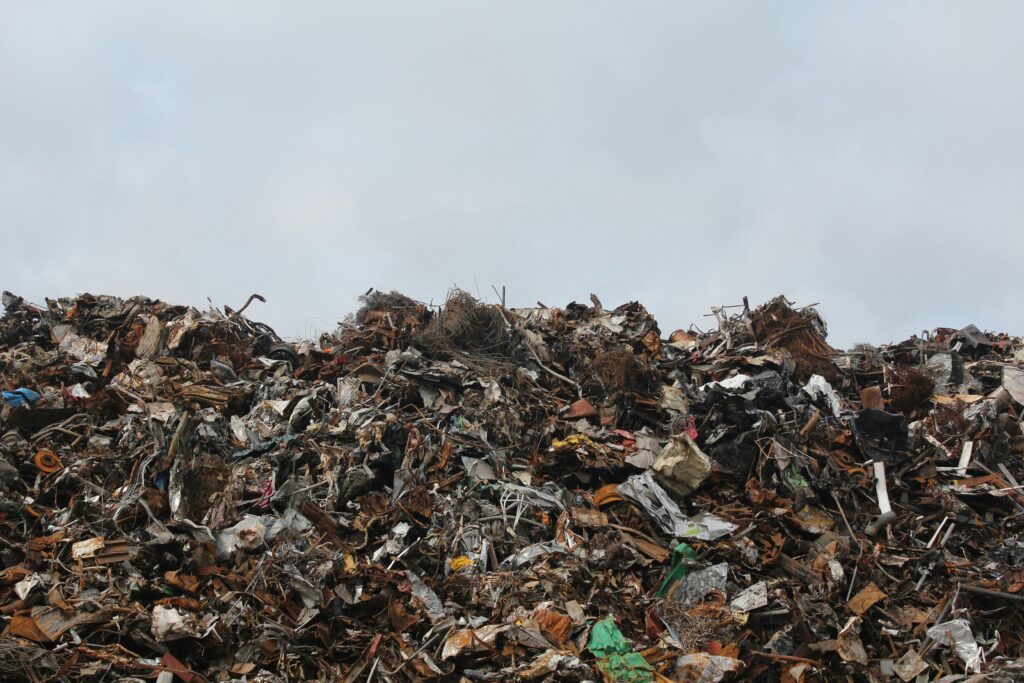
- Rising waste volumes: Rapid urbanization, higher consumption and changing lifestyles have increased municipal solid waste (MSW) generation across India. Estimates and surveys show India generates tens of millions of tons of municipal solid waste annually; collection and scientific processing remain incomplete in many areas.
- Public health & environment: Poorly managed waste leads to air and water pollution, breeding of disease vectors, and microplastic contamination. Recycling and proper waste processing reduce these harms.
- Economy & jobs: Recycling supports supply chains (secondary raw materials), creates jobs (formal recycling plants + informal collectors), and reduces dependence on imports for some materials. The recycling equipment and services market is expanding rapidly.
3. Types of waste — what can and cannot be recycled (household guide)
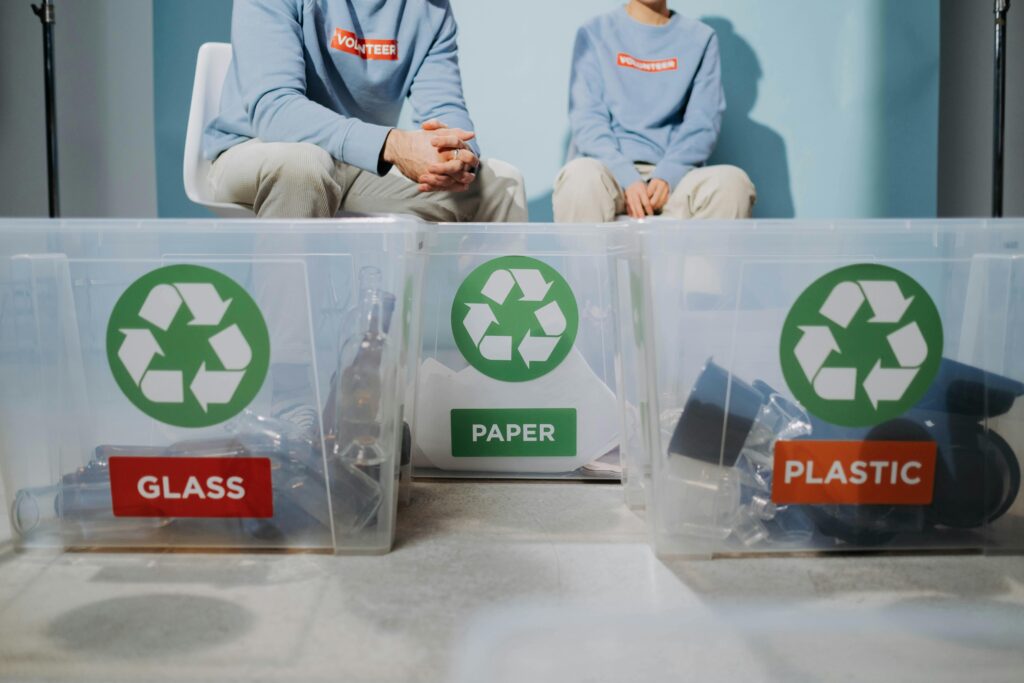
A. Common recyclable categories
- Paper & cardboard (paperboard, newspapers, office paper): Usually recyclable. Keep dry and clean.
- Glass (bottles and jars): Highly recyclable indefinitely; rinse before collection.
- Metals (aluminium cans, steel tins): Readily recyclable; separate cans from other waste.
- Plastics (some types): PET bottles (marked 1), HDPE (2) and some rigid plastics can be recycled. Thin-film plastics, laminated sachets and multi-layer films are harder or economically unviable to recycle. Labels and caps may be recycled separately depending on local facilities.
- E-waste (phones, chargers, appliances): Contains valuable metals; must go to authorized e-waste recyclers (not the trash).
- Organic / wet waste (kitchen scraps, garden waste): Not “recyclable” into packaging but can be composted/biomethanated and converted to fertilizer or biogas.
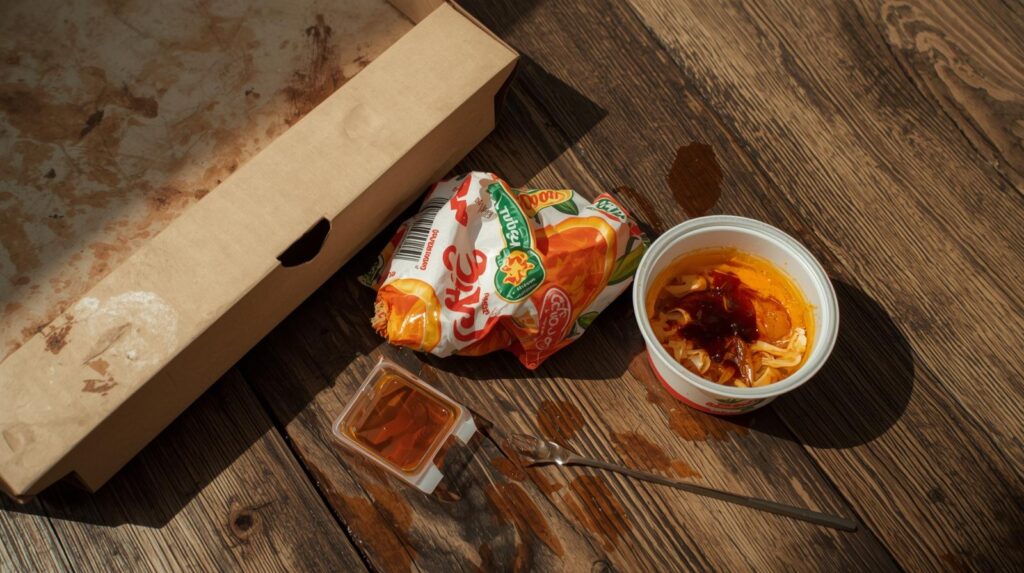
B. Often not recyclable (or hard to recycle)
- Multi-layer packaging (chips, biscuits): Metallized or laminated pouches are difficult to recycle in India at scale.
- Contaminated paper (greasy pizza boxes), soiled food containers: Contamination reduces recyclability.
- Certain plastics (PVC, polycarbonate, some thermosets): Technically not recyclable in usual municipal systems. environment.delhi.gov.in
Quick household rules
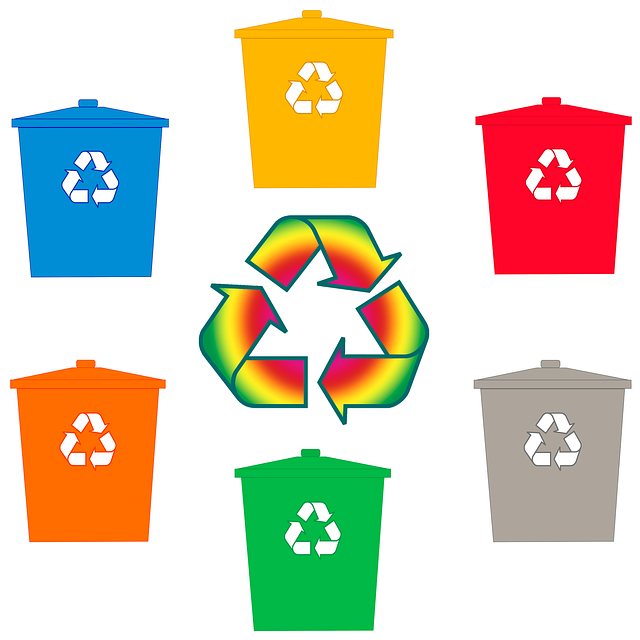
- Segregate at source: Wet (compostable) and dry (recyclable/non-recyclable).
- Clean recyclables: Rinse bottles and tins to prevent contamination.
- Flatten cardboard, remove excess liquid or food.
- Collect e-waste separately and hand it to authorized recycling or collection drives.
These small steps dramatically improve recycling rates and quality of recovered materials.
4. How recycling happens in India — the typical value chain
- Generation at home/business – waste is produced.
- Segregation at source – households separate wet/dry/hazardous. (Still inconsistent across cities.)
- Collection – municipal door-to-door collection, private aggregators, or informal collectors (kabadiwallas/waste pickers).
- Transport & intermediate storage – material goes to transfer stations, material recovery facilities (MRFs), or informal sorting points.
- Sorting & processing – manual and mechanical sorting, baling, shredding, washing (for plastics), smelting (for metals), pulping (for paper), or composting/anaerobic digestion (for organic waste).
- Reprocessing / manufacturing – recyclables become new raw materials (e.g., PET flakes → textile fibers, PET bottles; paper pulp → recycled paper).
- Market & reuse – recycled materials sell back into manufacturing or consumer markets.
Note: A significant share of India’s recyclables is recovered through the informal sector long before it reaches formal MRFs, making the two systems interdependent. WIEGO
5. The people of recycling: formal and informal sectors
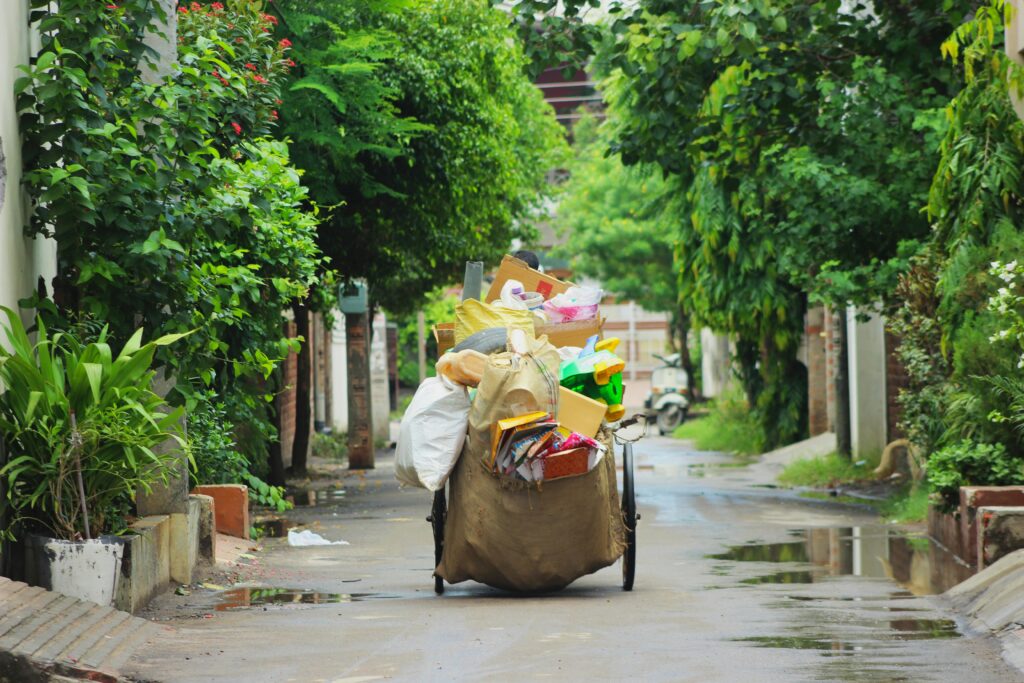
Informal sector (waste pickers / kabadiwallas)
- Who: Millions of informal workers—often called waste pickers, ragpickers, kabadiwallas—play a central role in collection and segregation. Estimates suggest waste pickers number in the low millions and recover a major share of recyclables in cities.
- Role & strengths: Extremely effective at recovering high-value materials; operate with minimal infrastructure and deep local networks.
- Risks & challenges: Lack of social security, low pay, health risks, limited access to formal contracts or EPR benefits. Integration into formal systems is a policy priority.
Formal sector
- Municipal services: Door-to-door collection, MRFs, composting plants and waste-to-energy (WTE) facilities are run by municipal corporations or private contractors.
- Private recyclers & manufacturers: Specialized factories for plastics, paper, metals and e-waste; increasing investments in automated sorting and processing.
Inclusive models: NGOs and social enterprises (e.g., Plastics For Change, Safai Sena models) work to formalize, register and pay waste pickers and connect them to EPR funds and safer working conditions.
6. Recycling industry & market trends (2024–25 snapshot)
- Market size & growth: Reports estimate the broader recycling market (including equipment and services) to be growing strongly, with multi-billion-dollar opportunities in municipal solid waste management, plastics recycling, and recycling equipment. For example, the India Recycling Market (2025 estimate) and industry reports forecast robust CAGR into the 2030s. Mordor Intelligence+1
- Plastic recycling specifics: India’s plastic recycling market is sizeable and expanding; different reports estimate plastic recycling market value in the billions (USD) and project steady growth driven by policy (EPR), demand for recycled content and investments in processing infrastructure. However, estimates vary by source due to different scopes (packaging only vs. all plastic waste). custommarketinsights.com+1
- Technology demand: Rising investments in balers, separators, washing lines and optical sorters; the equipment market is forecast to expand as municipalities and private players modernize. Grand View Research
7. Key laws, government schemes & facilities
This section summarizes the major policy tools shaping recycling in India.
A. Plastic Waste Management (PWM) Rules & EPR
- Plastic Waste Management Rules (PWM, amendments 2021–2022) set responsibilities for producers, importers and brand owners via Extended Producer Responsibility (EPR). EPR requires producers to manage the collection and processing of their plastic packaging. India has set up a central EPR portal and guidance for compliance. These rules are reshaping how brands and producers finance collection and recycling. environment.delhi.gov.in+1
B. Municipal Solid Waste (MSW) Rules & CPCB guidance
- MSW Rules (2016, subsequent implementation reports) require source segregation, door-to-door collection, scientific processing and safe disposal. The Central Pollution Control Board (CPCB) publishes implementation status and guidance to states and urban local bodies. Progress is uneven, but statutory requirements provide a roadmap for cities. cpcb.nic.in+1
C. Swachh Bharat Mission (Urban & Gramin)
- Swachh Bharat Mission (SBM) initiated large-scale behavior change and infrastructure projects (toilets, waste management pilots). SBM Urban emphasizes scientific SWM in cities and often funds waste processing projects, community awareness and capacity building. Press Information Bureau
D. GOBARdhan & Waste-to-Wealth
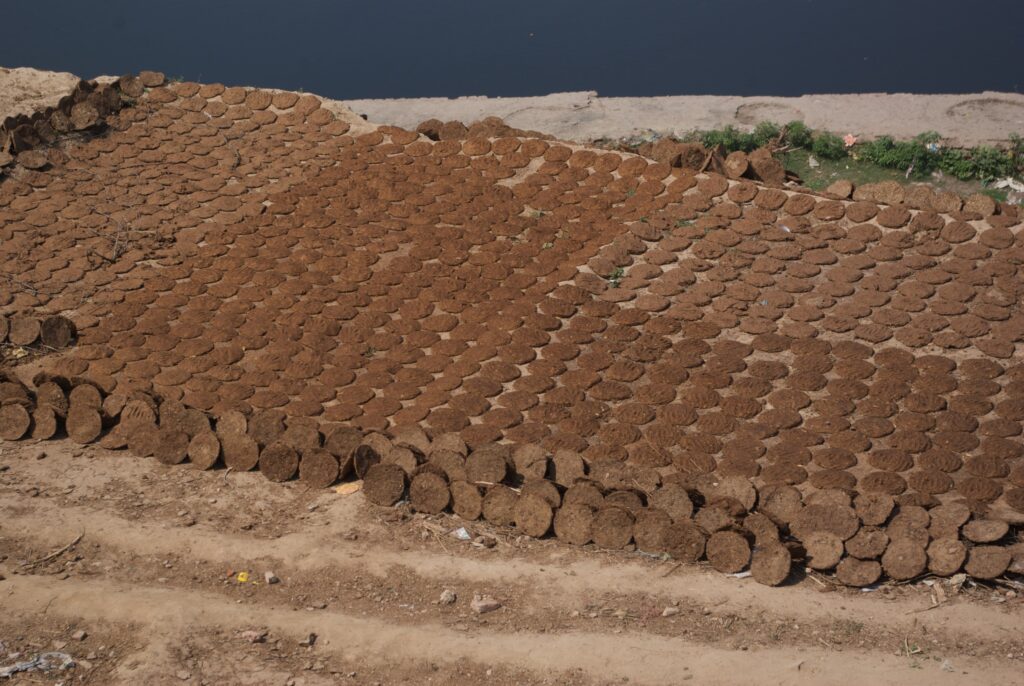
- GOBARdhan focuses on organic waste (biogas, compost) by setting up community and cluster-based biogas plants and biogas-to-CBG initiatives (waste to compressed biogas). This reduces organic fractions sent to landfills and creates renewable energy. SBM Urban
E. Other supports & compliance tools
- EPR portals, state-level guidelines, and mandates for decentralized composting and MRFs are part of the policy ecosystem. Municipalities are also adopting PPP models and encouraging private investment in MRFs, recycling plants and e-waste management centers. eprplastic.cpcb.gov.in+1
8. Challenges facing recycling in India
- Segregation & collection gaps: Source segregation remains inconsistent across regions; contaminated recyclables reduce process efficiency. SBM Urban
- Infrastructure shortfall: Many cities lack enough MRFs, processing units, authorized e-waste recyclers or scientific landfills.
- Informal/formal disconnect: Integrating waste pickers into formal systems, ensuring fair pay and safety remains a work in progress. WIEGO
- Complex packaging & multi-layer plastics: Technological and economic barriers make some packaging hard to recycle. EPR aims to address this but implementation takes time. environment.delhi.gov.in+1
- Market & price volatility: Recycled material prices fluctuate; without consistent demand for recycled content, investments are risky.
- Regulatory enforcement & coordination: States/ULBs differ in capacity; sustained enforcement and financing are required to scale solutions.
9. Practical steps — what households, businesses and local bodies can do
For households
- Segregate: Keep wet and dry waste separate. Use two bins at home (or three — wet, dry-recyclable, dry-nonrecyclable).
- Rinse and empty: Clean bottles and cans. Remove food residue from containers.
- Bulk e-waste & batteries: Don’t throw them in mixed waste—use authorized collection drives or drop-off points.
- Avoid single-use & problematic plastics: Prefer refillable and reusable products; choose packaging that is recyclable locally.
- Compost wet waste: If possible, use a small home composter or community compost pit.
For businesses & brands
- Comply with EPR: Register on the EPR portal and plan for collection & recycling targets. Consider redesigning packaging to be recyclable or lower-impact. eprplastic.cpcb.gov.in
- Buy recycled content: Create demand for PET, recycled paper and recycled metals by specifying recycled content in procurement.
- Support local collection: Fund community collection centers, help formalize waste picker groups, and invest in MRFs.
For municipal/local governments
- Enforce source segregation and door-to-door collection: Prioritize MRFs and decentralized composting.
- Formalize waste pickers: Provide identity cards, health services, training and link them with EPR-funded programs. IFC
- Transparent contracts for PPPs: When working with private partners, include social and environmental KPIs, not only cost.
- Promote awareness: Clean-city campaigns, school education and festival-specific plastic reduction drives (e.g., “green puja” initiatives) work well.
10. where India stands and what’s next
India’s recycling ecosystem in 2025 is a mix of deep grassroots strengths and systemic gaps. The country’s large and efficient informal recovery network is a major advantage but integration, worker welfare, better infrastructure, clearer enforcement of EPR and stronger markets for recycled materials are needed to scale up. Policy direction (EPR, PWM Rules), growing private investment, and rising demand for sustainable packaging are positive trends. If households, businesses, municipalities and brands act together and if policy is implemented fairly and transparently India can convert its waste challenge into a circular economy opportunity that creates jobs, materials and cleaner cities. environment.delhi.gov.in+1
11. Quick resources & references
- CPCB — Annual Report on Status of Implementation of MSW Rules. cpcb.nic.in
- Plastic Waste Management (Amendment) Rules, 2022 — Government/PWM guidance. environment.delhi.gov.in
- India Recycling Market reports (Mordor Intelligence) and recycling equipment outlook (Grand View Research). Mordor Intelligence+1
- WIEGO — statistics and articles on waste pickers in India. WIEGO
- CEEW & other think tanks — analyses on plastic recycling and policy. CEEW